
Comprehensive Gait Analysis
Near Me in Bryn Mawr, PA
Discover optimal movement with Primal Physical Therapy’s comprehensive gait analysis in Bryn Mawr, PA. Our expert team, led by Dr. JJ Thomas, utilizes the latest technology to dissect and enhance your running form, ensuring every step you take is in harmony with your body’s natural movement.
Together, we’ll unlock the secrets of your stride, setting you on a path to improved health, reduced injury risk, and elite performance –– schedule your appointment today.
Discover Local Expertise in Gait Analysis Near Me
At Primal Physical Therapy, we pride ourselves on a unique approach that combines the wisdom of primal movement philosophies with the precision of modern technology. This fusion guarantees that our clients in Bryn Mawr, PA, receive gait analysis services that are not just advanced but also deeply rooted in understanding the natural movements of the human body.
Introduction to Primal Physical Therapy's Approach
Our methodology is centered around the belief that every individual’s movement pattern is unique and that optimizing these patterns requires a blend of expertise and science. We aim to restore and enhance the body’s natural efficiency and resilience by focusing on primal movements – those fundamental to human activity.
Meet Your Local Experts at Primal Physical Therapy
At Primal Physical Therapy, our team of physical therapists brings a wealth of knowledge and expertise to every gait analysis.

Dr. JJ Thomas, DPT, CMTPT, FDNS
PHYSICAL THERAPISTAs a cornerstone of Primal Physical Therapy, Dr. Thomas combines her Doctorate in Physical Therapy with certifications in Manual Trigger Point Therapy (CMTPT) and Functional Dry Needling (FDNS). Her approach is deeply rooted in understanding the intricate details of human movement, making her a specialist in diagnosing and treating gait-related issues with precision and care.
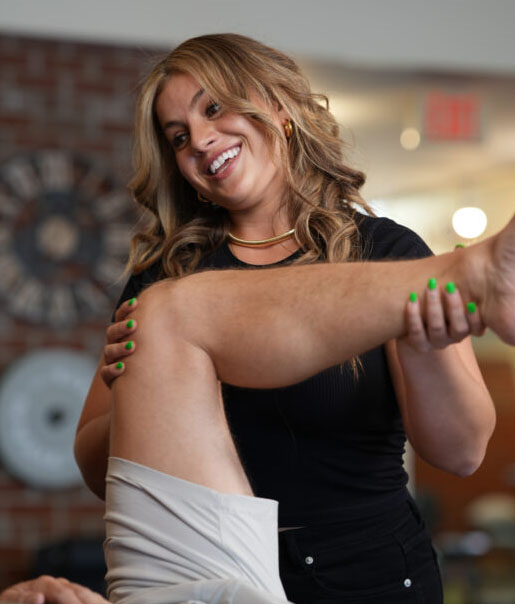
Dr. Jessica Calderón, DPT
PHYSICAL THERAPISTDr. Calderón brings a fresh perspective to gait analysis, emphasizing the importance of a holistic approach to physical therapy. Her expertise is instrumental in providing comprehensive care that aligns with our clients’ unique physical needs and goals.
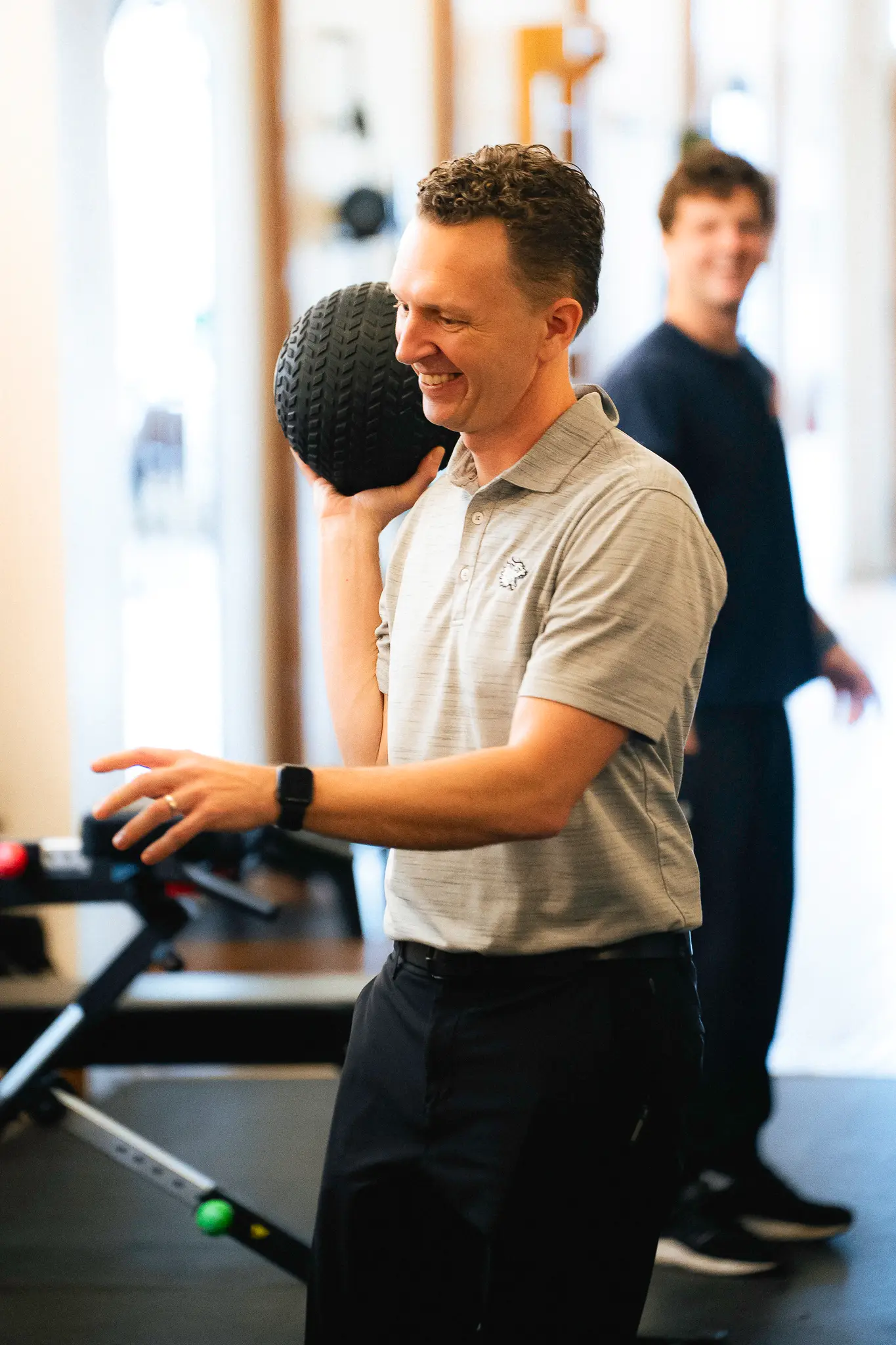
Joe Dawson, MPT, CDNS
PHYSICAL THERAPISTWith a Master’s in Physical Therapy, Joe Dawson offers a blend of experience and innovation in his treatment methods. His expertise is crucial in identifying subtle nuances in gait patterns and implementing effective strategies for improvement.

Dr. Chelsea Turgeon, PT, DPT
PHYSICAL THERAPISTDr. Turgeon’s approach to physical therapy is characterized by her dedication to evidence-based practices and a patient-centered care model. Her expertise in gait analysis is complemented by a strong commitment to helping clients achieve optimal movement and performance.
Our Gait Analysis Process
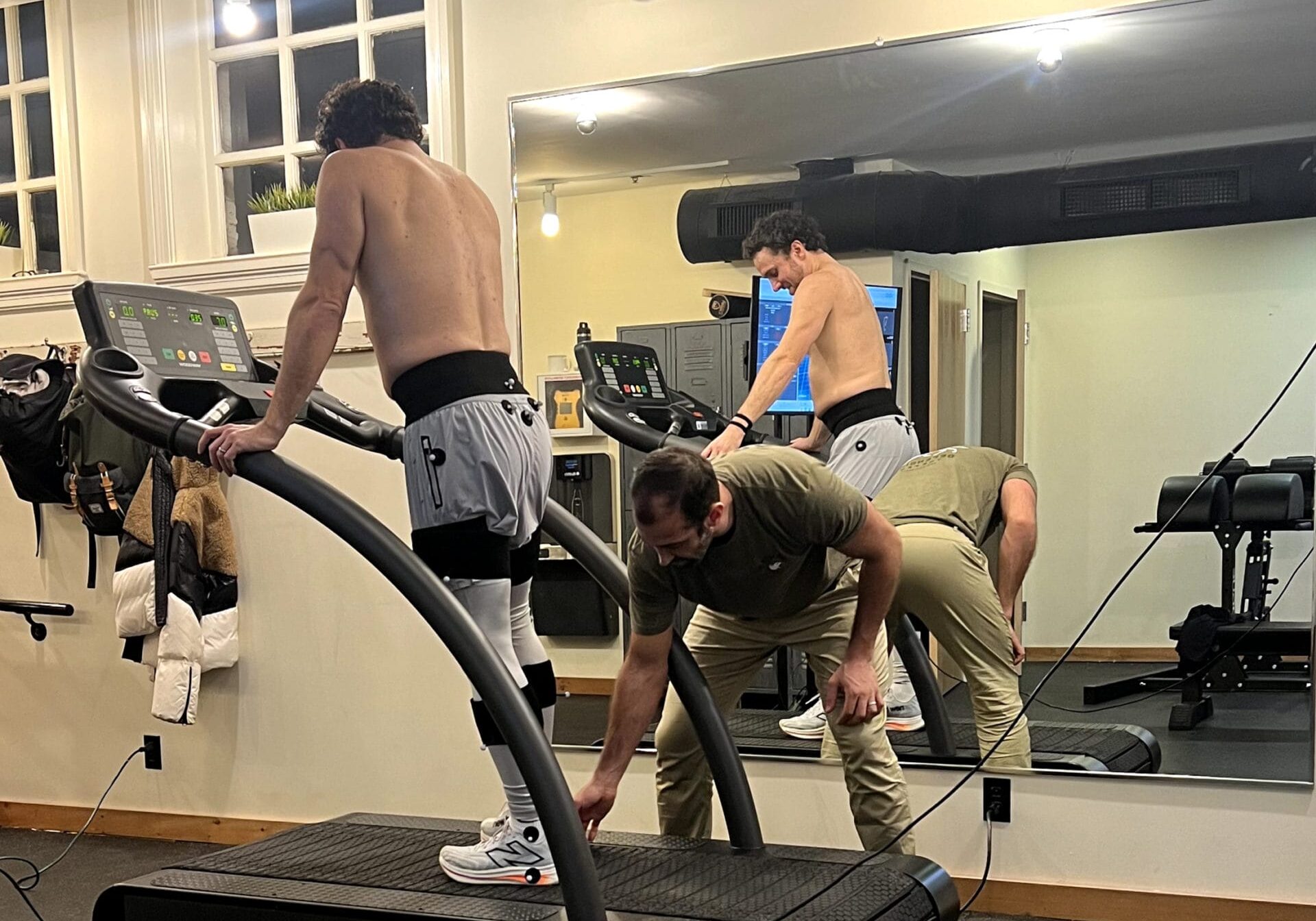
Our physical therapists are highly trained in the analysis of gait (walking or running). Our Practice uses the latest technology and advancements to accurately highlight areas of your body that are putting increased strain on your body resulting in breakdown. Our gait analysis often reveals underlying limitations in strength, flexibility, and even stability that often contribute to compensations in gait. By closely assessing your movement patterns, we are able to immediately address the deficits that directly relate to your walking or running gait.
Data Collection and Analysis
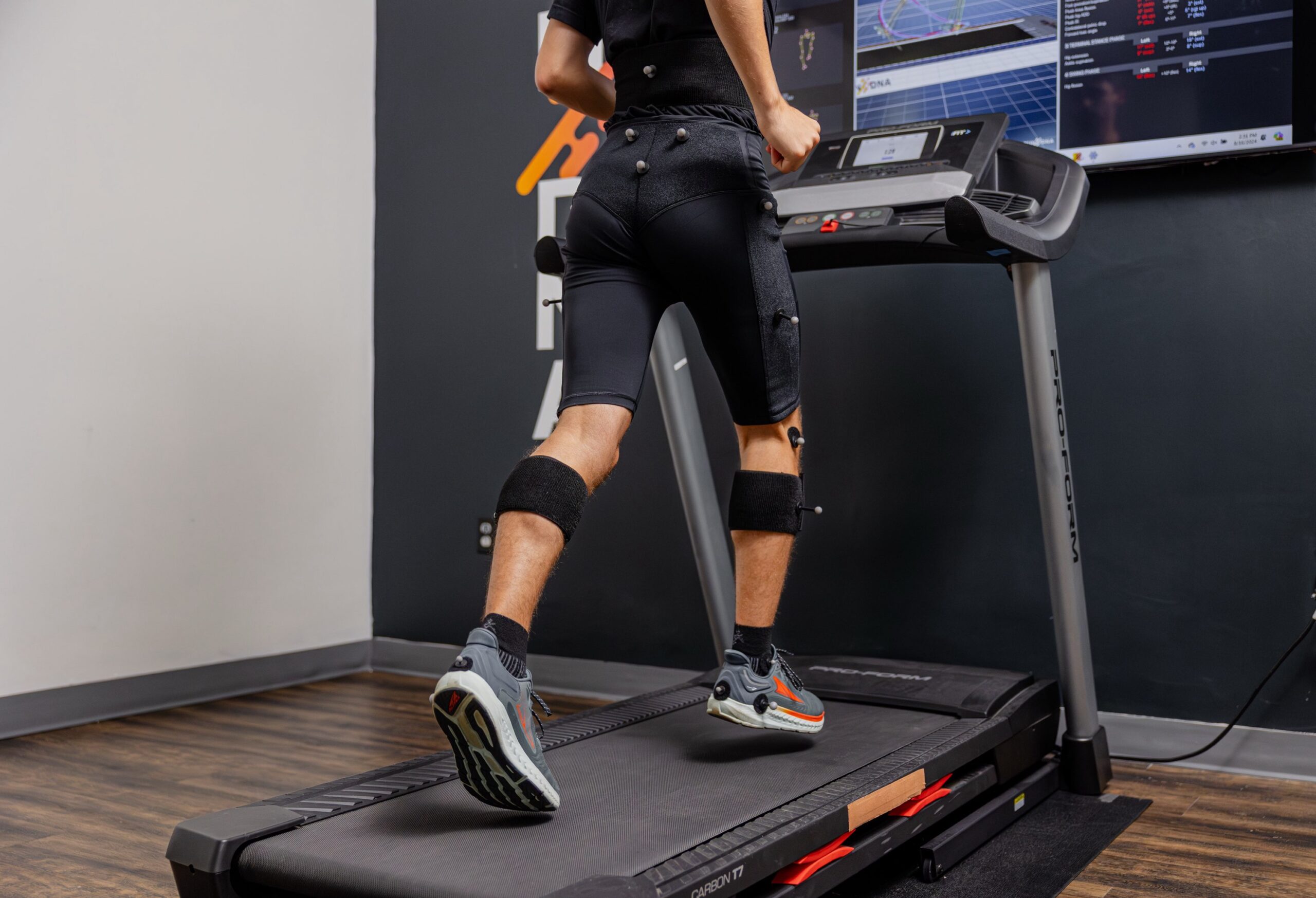
The process begins with a thorough data collection phase, where we monitor and record your gait from multiple angles under various conditions. This data is then analyzed using advanced software that helps us identify inefficiencies, asymmetries, and areas of stress that could lead to injury or hinder performance.
Tailored Recommendations
Following our detailed analysis, we craft personalized recommendations to improve your gait. This often involves making small adjustments to your running form, prescribing specific strengthening exercises, or making recommendations for what shoe type is best for your individual needs. Each suggestion and intervention is tailored to your unique and specific needs and goals.
credits: rundna.com
Key Elements of
Your Gait We Analyze
To get a detailed look at your gait, we will capture a number of critical data points. Research has shown that understanding positioning in various phases of gait, at every major joint from your head to your toes is important information to help your running performance and for injury prevention. We analyze everything from where and how your foot hits the ground to what is happening at your knees, hips, pelvis and even trunk. This allows us to accurately capture weak points in your running pattern in order to address them and help you get better faster.
- Performance: Efficient gait mechanics are key to maximizing performance. By optimizing elements such as stride length and cadence, we can help you run more efficiently, conserving energy and improving speed.
- Injury Risk: Identifying and correcting gait abnormalities can significantly reduce the risk of injury. By addressing issues like overpronation or insufficient hip mobility, we work to ensure that your body moves in a way that minimizes stress on joints and tissues.
Begin Your Path to Enhanced Movement Today
Our comprehensive gait analysis in Bryn Mawr, PA, is designed to uncover the intricacies of your stride, offering personalized insights and solutions that cater directly to your needs.
Whether you’re an athlete looking to recover from an injury, enhance your performance, or simply aiming to move more efficiently in your daily life, contact Primal Physical Therapy today and discover how our personalized gait analysis can transform the way you move.
FAQ
Who can benefit from gait analysis?
Anyone looking to improve efficiency of their running, reduce the risk of injury, or enhance their athletic performance can benefit from gait analysis.
What kind of technology do you use for gait analysis?
At Primal Physical Therapy, we use state-of-the-art tools and technology to perform gait analysis, ensuring accurate and comprehensive results.
How long does a gait analysis appointment take?
The length of a gait analysis appointment can vary, but typically takes around 60 – 90 minutes
How often should I have a gait analysis?
The frequency of gait analysis appointments will depend on your individual needs and goals. Our therapists can help determine the right schedule for you.
What can I expect during a gait analysis appointment?
Our gait analysis appointment is composed of many parts. We’ll start with a detail training and injury history, perform a comprehensive movement and strength assessment called the Runners Readiness Assessment, analyze your running form and provide recommendations and guidance for improving your technique and reducing the risk of injury.
Can gait analysis help me improve my athletic performance?
Yes, gait analysis can help athletes identify any gait disorders that may be hindering their performance and provide recommendations for improvement.
Will gait analysis hurt? Is it painful?
No, gait analysis is not painful. One of our goals is to identify the reasons why you may be experiencing pain while running. Our therapists use non-invasive techniques and technologies to perform the analysis, ensuring a comfortable experience for our clients.
Does insurance cover gait analysis?
Insurance coverage for gait analysis can depend on your specific policy and the reasons for the analysis. In many cases, if gait analysis is recommended as part of a diagnostic process or treatment plan for a medical condition, insurance may cover it.
We advise checking with your insurance provider to understand your coverage. Additionally, our staff at Primal Physical Therapy can assist you in navigating insurance questions to ensure you get the maximum benefits available.
What are the three abnormalities you look for during gait analysis?
- Overpronation or Supination: These refer to the inward or outward rolling of the foot upon landing. Both can lead to stress on the ankles, knees, and hips, affecting overall stability and balance.
- Uneven Stride Lengths: A discrepancy in stride lengths can indicate imbalances in strength or flexibility, potentially leading to compensatory movements and increased injury risk.
- Excessive Hip Drop: This occurs when the hip of the non-weight-bearing leg drops below the level of the weight-bearing hip. It can signal weakness in the hip abductors and contribute to knee and lower back issues.
What is the most common gait abnormality?
The most common gait abnormality is overpronation, where the foot rolls inward excessively after landing. This can affect the body’s ability to absorb shock efficiently, leading to various issues, including plantar fasciitis, shin splints, and knee pain.
Identifying and addressing overpronation through gait analysis can help select the right footwear, implement corrective exercises, and make other adjustments to improve gait efficiency and reduce the risk of injury.