
Laser Therapy in Bryn Mawr, PA

Laser physical therapy is a non-invasive treatment that helps reduce pain, improve mobility, and speed up healing. It is often used alongside standard physical therapy techniques. If you live in Bryn Mawr and are exploring your options for pain relief, learn more about our laser therapy approach at Primal Physical Therapy.

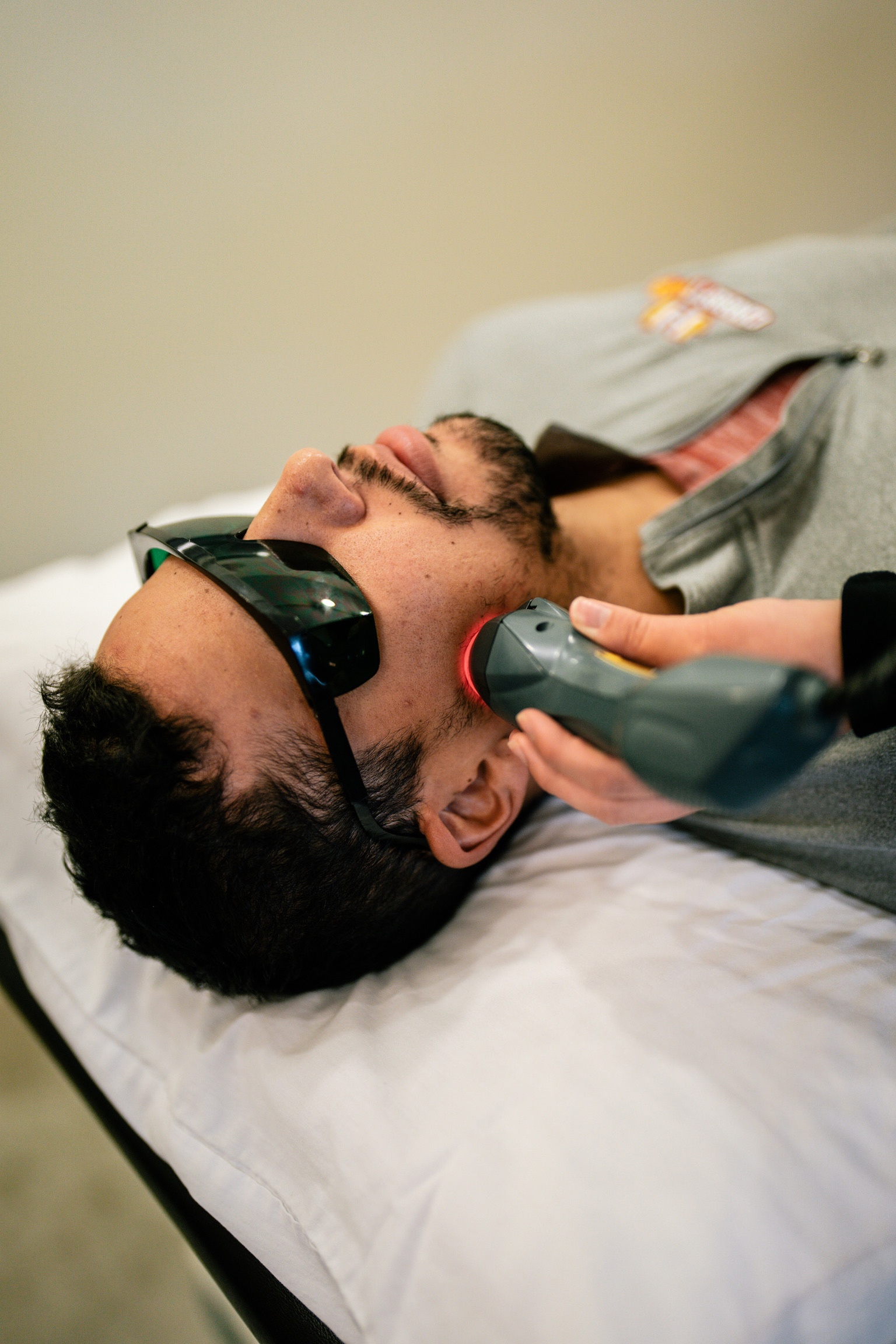
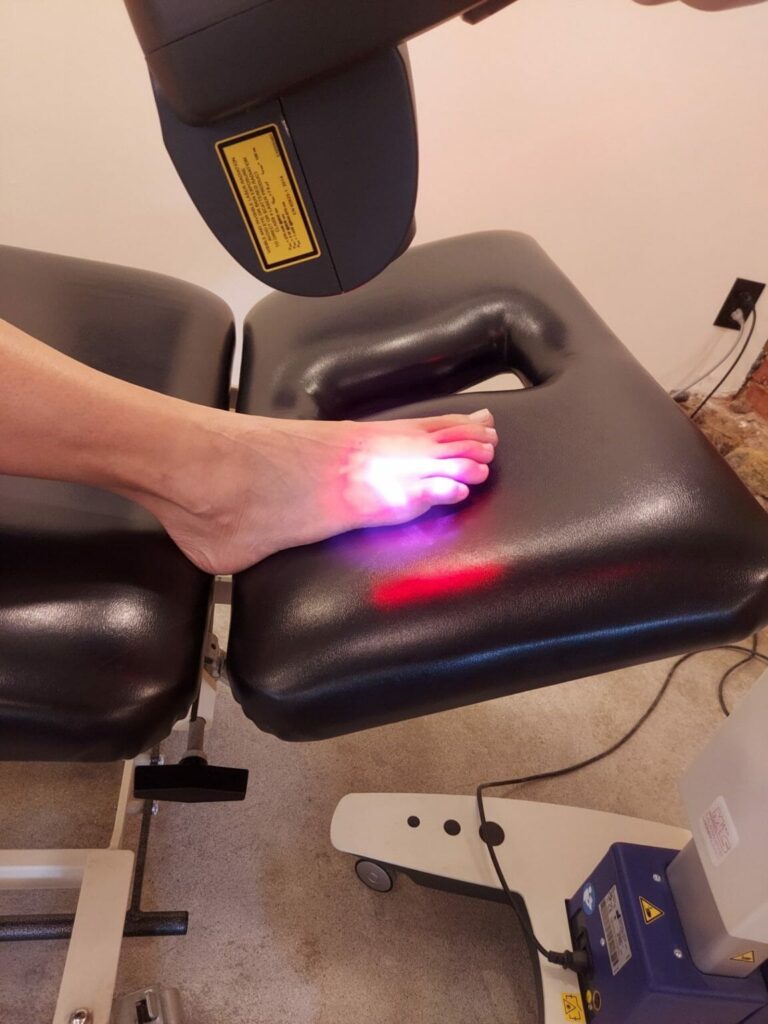
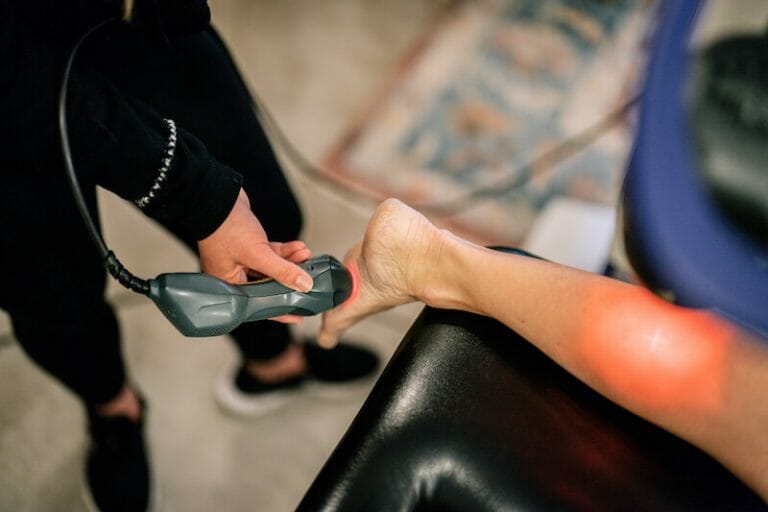
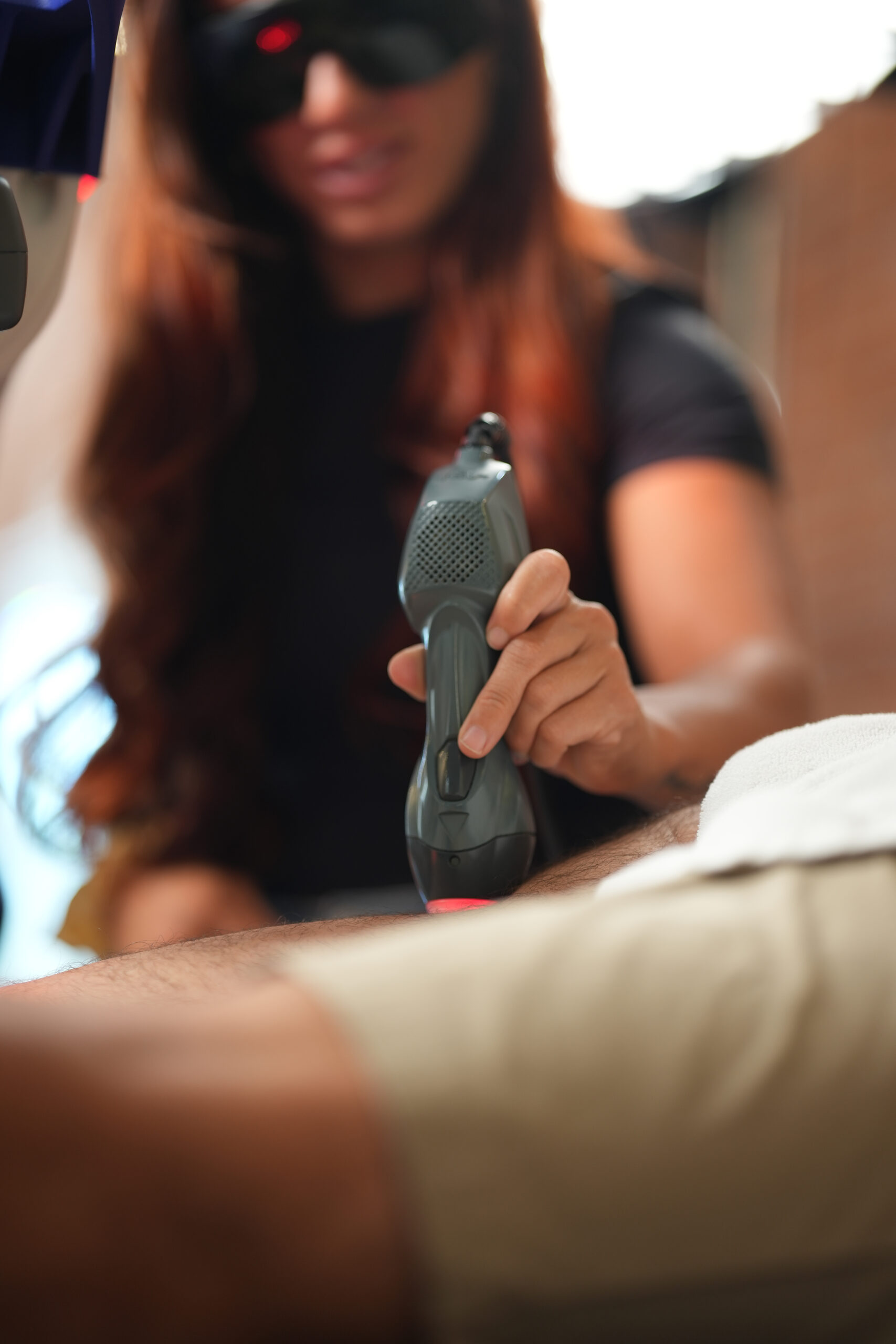
Physical therapist applying laser therapy to a patient to accelerate natural tissue healing.

What Is Laser Therapy?

Laser therapy uses focused light to treat injured tissues. The laser delivers energy into the cells, which can reduce swelling, improve blood flow, and facilitate healing. In physical therapy, it is often added to a treatment plan for patients managing chronic or acute pain.

One type of laser treatment—Class IV laser therapy—uses a higher-powered laser that reaches deeper tissue compared to older versions. The laser light in Class IV devices can penetrate several centimeters into the body. This makes it useful for treating not just the surface, but also muscles, tendons, and joints underneath.

How Class IV Laser Therapy Works

Laser therapy works by sending light energy into the body. This energy stimulates the mitochondria inside cells. In response, the cells start repairing themselves more efficiently. As a result, patients often experience faster tissue healing and lower levels of inflammation. Class IV laser therapy not only improves blood flow but also creates new blood vessels (angiogenesis) to support better healing overall.

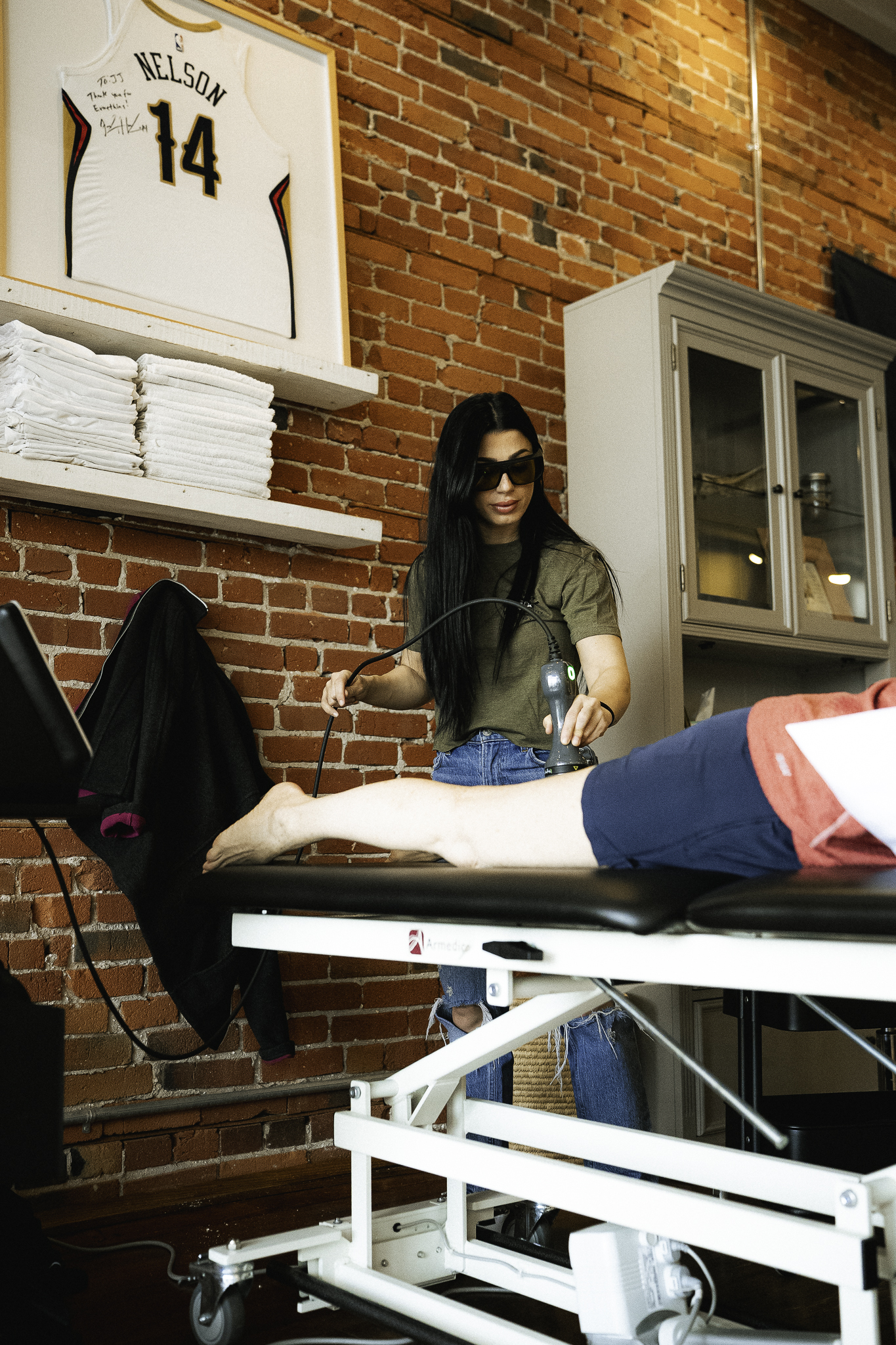
Because of its depth and power, Class IV therapy is especially useful for treating neuropathy, back pain, plantar fasciitis, and other deep-tissue issues where conventional therapies may take longer to penetrate. In addition, it has been proven to be a helpful intervention for inflammatory conditions such as lateral epicondylitis, Achilles tendonitis, or arthritis.

Class IV laser treatment for deep-tissue conditions like neuropathy, back pain, and plantar fasciitis

What About Red Light Therapy?

Red light therapy is another reliable option we use to support healing and reduce inflammation. While it shares some of the same biological principles as laser therapy—specifically, the use of light energy to stimulate cellular repair—there are important differences to consider.

Red light therapy uses low-level wavelengths of visible red light, usually delivered through LED panels or handheld devices. This light penetrates tissues only a few millimeters deep. Its biological effects are similar to laser therapy in that it stimulates mitochondria, encourages cellular repair, supports reduced inflammation, and may aid in bone repair. However, red light does not reach as deeply as Class IV laser light, which can make it less effective for larger joints or deep muscle layers.

Because of its gentler and more superficial reach, red light therapy is often used for:
  • Surface-level skin healing
  • Minor joint inflammation
  • General wellness or recovery
  • Post-exercise muscle soreness
In contrast, Class IV laser therapy is more appropriate when treating deeper structures, such as spinal tendons, swollen joints, or nerve pain from neuropathy. Red light therapy may be a good option when your condition is closer to the surface or when a more gradual approach to light-based treatment is preferred. Our physical therapist, Dr. JJ Thomas, can help you decide which light therapy is a better fit for your condition and goals.

Conditions Treated with Laser Therapy

Our Philadelphia laser physical therapy is effective for a range of musculoskeletal problems, including:

Knee pain

It helps reduce inflammation and supports healing of ligaments and cartilage.

Shoulder pain

Useful for rotator cuff issues, tendinitis, and bursitis.

Nueropathy

Class IV therapy for neuropathy has been shown to relieve burning, tingling, or shooting pain linked to nerve damage.

Neck pain and back pain

Reduces muscle tension and spinal inflammation.

Carpal tunnel syndrome

Supports healing in compressed nerves and surrounding tissues.

Chronic pain

Helps manage ongoing discomfort by improving cellular repair and reducing trigger points.

Laser therapy is usually not a stand-alone treatment. It works best when combined with guided exercise, manual therapy, and other physical therapy techniques.

Safety precautions for laser therapy including photosensitivity and pregnancy considerations

When Laser Therapy Is Not Recommended

Though generally safe, laser therapy isn’t appropriate for everyone. Your physical therapist may avoid using laser treatment if you:

  • Have known photosensitivity
  • Are pregnant and need a laser near the abdomen
  • Have active cancer in the treatment area

Reported side effects are mild and uncommon. Some patients notice slight redness or heat in the area during or after treatment. These effects usually fade quickly.

What to Expect Before and After Laser Therapy

Laser therapy sessions are quick and painless. There’s no need to change clothing, although it’s ideal to wear loose, accessible garments. At your appointment, the physical therapist will apply the laser to the affected area, moving it slowly for about 5–15 minutes, depending on the size of the treatment zone.

Most patients feel nothing during the session, although some notice a gentle warming sensation. There’s no downtime after your session. You can return to normal activity right away.

After a few treatments, many patients report:

  • Reduced stiffness
  • Improved range of motion
  • Less pain during daily activity

The benefits tend to build with each session. Your therapist can help track your response to make sure laser therapy is helping you meet your goals.

Patient experiencing improved range of motion and reduced stiffness after laser therapy treatments
Non-invasive laser therapy for knee pain, carpal tunnel, and chronic back pain

Explore Laser Therapy in Bryn Mawr

Whether you’re dealing with knee pain, carpal tunnel syndrome, or chronic back pain, laser therapy may be a helpful part of your recovery. It’s non-invasive, low-risk, and supported by growing evidence.

To learn more about whether laser physical therapy is right for you, visit Primal Physical Therapy today. Call us to schedule a laser physical therapy consultation.

Ready to get started?

And get back to doing whatever it is you love!
Schedule An Appointment
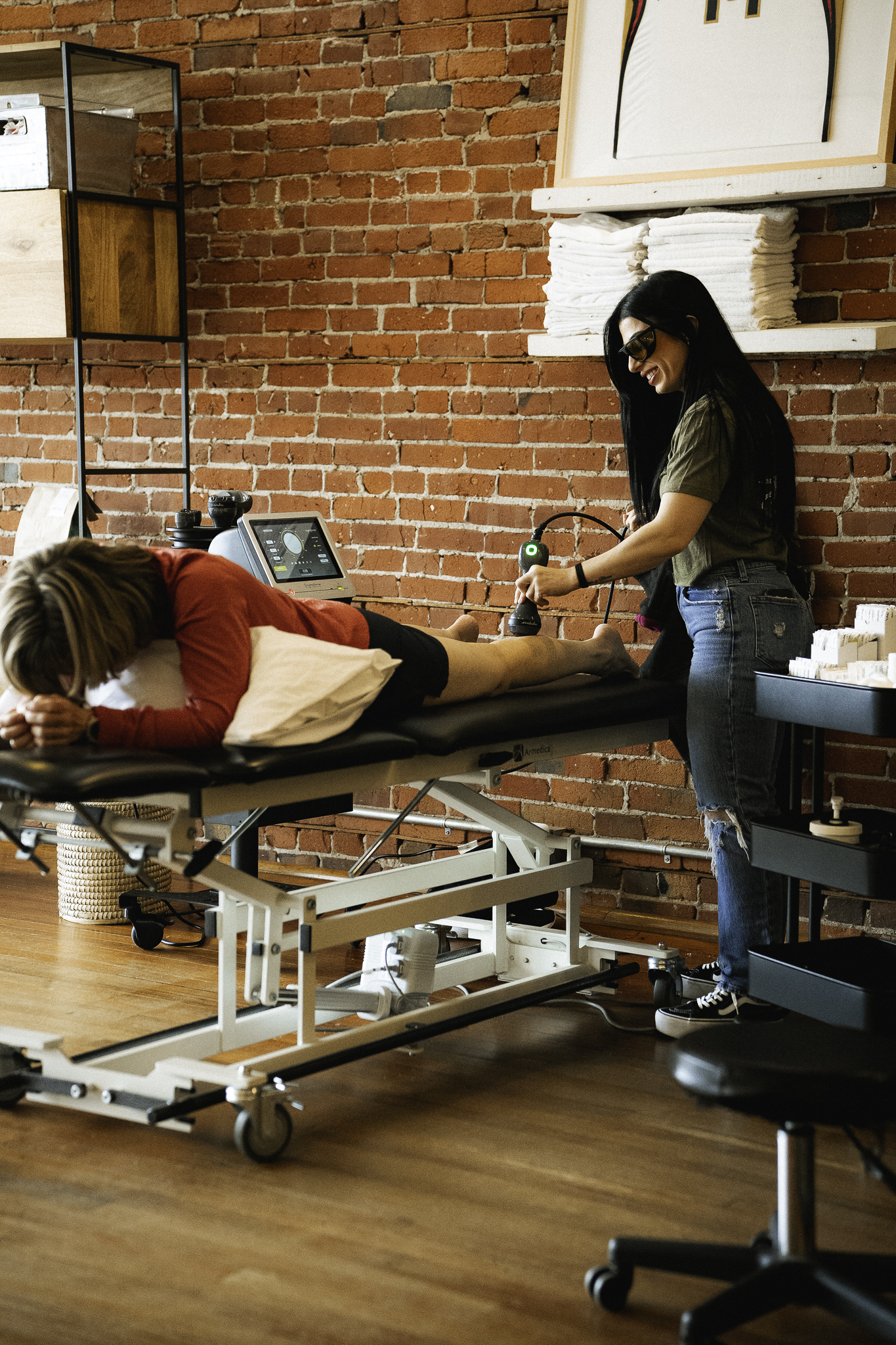
Physical therapy patient receiving laser treatment to reduce swelling and facilitate muscle healing

Laser Therapy FAQ